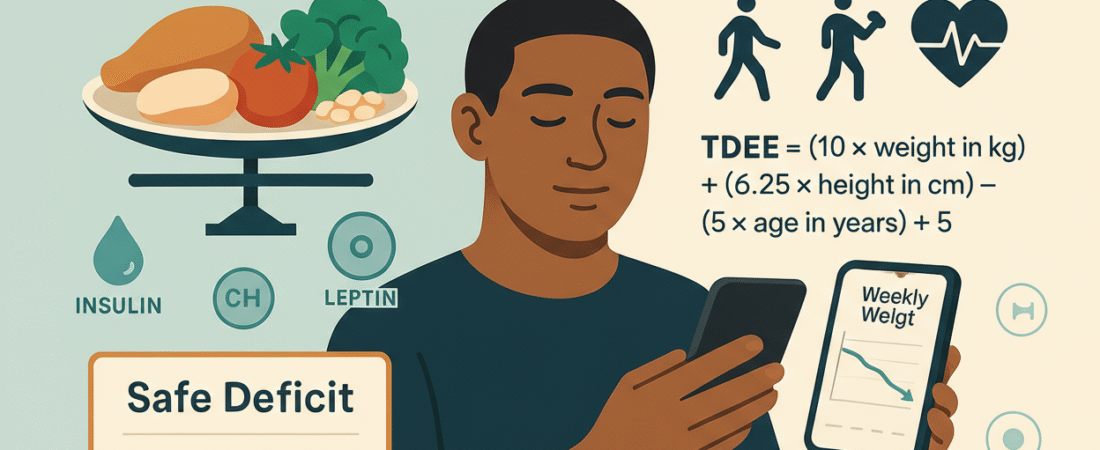
Understanding Caloric Balance
Caloric balance is a fundamental concept in the context of weight management, describing the equilibrium between calories consumed through food and beverages and the calories expended through physical activities and metabolism. At its core, caloric balance hinges on two main components: caloric intake and caloric expenditure. Understanding these elements is essential for anyone aiming to maintain, lose, or gain weight.

Caloric intake refers to the total number of calories consumed through dietary sources. This includes all macronutrients, such as carbohydrates, proteins, and fats, as well as beverages. Different foods possess varying caloric densities; for instance, foods high in fats typically provide more calories compared to those high in water content. Therefore, managing caloric intake involves not only choosing nutrient-dense options but also being mindful of portion sizes, ensuring that the number of calories consumed aligns with one’s specific health goals.
Conversely, caloric expenditure encompasses the calories burned through various activities. This includes the basal metabolic rate (BMR), which accounts for the energy used at rest for essential bodily functions, and the additional calories expended during physical activity, including exercise and non-exercise activities such as walking or fidgeting. To achieve a deficit necessary for weight loss, individuals must create a scenario where caloric expenditure exceeds caloric intake. This can be done by either decreasing caloric intake, increasing physical activity, or ideally, a combination of both.
Overall, understanding caloric balance is crucial for weight management. Effectively monitoring and adjusting both caloric intake and expenditure allows for informed decision-making and paves the way toward achieving desired health outcomes. Without a grasp of this concept, individuals may struggle to navigate the complexities of dieting and weight loss.
The Science Behind Weight Loss
Weight loss is fundamentally rooted in the principles of caloric balance, which refers to the relationship between calories consumed and calories expended. At a physiological level, weight loss occurs when there is a caloric deficit – that is, when the energy burned exceeds the energy intake. This discrepancy triggers the body to utilize stored fat for fuel, leading to a decrease in total body weight. The primary driver of this energy expenditure is metabolism, a complex process where food is converted into energy.
Metabolism can be classified into two categories: basal metabolic rate (BMR) and physical activity level (PAL). BMR encompasses the energy required for vital functions such as breathing, circulation, and cell production while at rest. PAL includes the energy spent on physical activities, from daily movements to structured exercise. Understanding the interplay of these two components is crucial in establishing an effective weight loss strategy.
Moreover, hormonal interactions play a significant role in regulating weight loss. Hormones such as insulin, ghrelin, and leptin influence hunger and satiety. Insulin helps manage blood sugar levels and plays a role in fat storage, while ghrelin signals hunger, prompting food intake. Conversely, leptin communicates satiety, signaling the brain to decrease appetite. Disruptions in the delicate balance of these hormones can lead to increased cravings and ultimately hinder weight loss efforts despite caloric restriction.
Merely decreasing caloric intake is insufficient for achieving lasting weight loss. Individuals must also account for their total energy expenditure, including how metabolic processes and hormonal responses fluctuate with dietary changes. Thus, achieving a successful weight loss regimen hinges on understanding and maintaining a healthy caloric balance, ensuring both adequate energy intake and effective calorie burning through lifestyle modifications.
Calculating Your Caloric Needs
Determining your caloric needs is a vital step in establishing a successful weight loss plan. The primary formulas used for this purpose are the Basal Metabolic Rate (BMR) and the Total Daily Energy Expenditure (TDEE). BMR represents the number of calories your body requires at rest to maintain basic physiological functions such as breathing, circulation, and cellular production. This value is influenced by several factors, including age, gender, weight, and height.
To calculate BMR, various equations can be utilized, with the Harris-Benedict and Mifflin-St Jeor formulas being the most common. The Mifflin-St Jeor equation is considered more accurate for modern populations. For men, the BMR can be calculated as follows: BMR = 10 × weight (kg) + 6.25 × height (cm) – 5 × age (years) + 5, while for women it is: BMR = 10 × weight (kg) + 6.25 × height (cm) – 5 × age (years) – 161.
Once the BMR is established, the next step is to calculate the Total Daily Energy Expenditure (TDEE). TDEE accounts for all physical activities conducted throughout the day, including exercise, work, and daily chores. To derive TDEE, multiply the BMR by an activity factor that correlates with your lifestyle:
- Sedentary (little or no exercise): BMR × 1.2
- Lightly active (light exercise/sports 1-3 days a week): BMR × 1.375
- Moderately active (moderate exercise/sports 3-5 days a week): BMR × 1.55
- Very active (hard exercise/sports 6-7 days a week): BMR × 1.725
- Super active (very hard exercise/physical job & exercise 2x/day): BMR × 1.9
Understanding these calculations provides a solid foundation for managing caloric intake, ultimately aiding in effective weight loss management. Adjustments can be made based on individual goals and changing activity levels, ensuring a personalized approach to achieving caloric balance.
Establishing a Caloric Deficit
In the journey towards effective weight loss, establishing a caloric deficit is of paramount importance. This concept refers to consuming fewer calories than the body expends through various activities and metabolic functions. To achieve a caloric deficit, individuals can explore several methods, which commonly include dietary modifications, an increase in physical activity, and adjustments to meal timing.
Dietary modification entails making conscious choices regarding food consumption. This can involve reducing portion sizes, selecting lower-caloric density foods, or eliminating high-calorie snacks and beverages. Integrating more fruits, vegetables, whole grains, and lean proteins can significantly contribute to maintaining a healthy caloric deficit while providing essential nutrients. It’s vital to monitor caloric intake regularly using tools such as food diaries or apps to ensure that one stays within the desired caloric range.
Increasing physical activity is another effective strategy to create a caloric deficit. Engaging in exercises such as aerobic workouts, strength training, or even daily activities like walking can burn additional calories. Regular exercise not only aids in weight loss but also improves overall health and well-being. Aim for at least 150 minutes of moderate aerobic activity each week, paired with strength training exercises on two or more days.
Adjusting meal timing can also impact caloric intake. Research suggests that keeping to a consistent meal schedule or adopting intermittent fasting protocols can help regulate appetite and reduce total caloric consumption. By recognizing personal hunger cues and being mindful of eating patterns, individuals can develop habits that support sustainable weight loss rather than sporadic changes that may prove ineffective in the long run.
Ultimately, the balance between calorie intake and expenditure is crucial for achieving and maintaining a caloric deficit. By employing these strategies, individuals can foster a healthier relationship with food while successfully pursuing their weight loss goals.
Healthy Foods for Caloric Deficit
Maintaining a caloric deficit is essential for successful weight loss, and selecting the right foods plays a crucial role in this process. Whole foods, which are minimally processed and close to their natural state, should be prioritized as they tend to be nutrient-dense. These foods include fresh fruits, vegetables, lean proteins, whole grains, and healthy fats. Incorporating these items into your diet ensures that while you are reducing caloric intake, you are still providing your body with the essential nutrients it needs.
High-fiber foods are particularly effective for those seeking to create a caloric deficit. Fiber-rich items, such as legumes, oats, and various vegetables, promote satiety by slowing digestion and making individuals feel fuller for longer periods. This helps curb hunger while consuming fewer calories overall. Additionally, foods high in fiber often have a lower caloric density, meaning they provide fewer calories relative to their weight, allowing for larger portions without exceeding caloric goals.
Low-calorie density options are also vital in any weight loss regimen. Foods such as leafy greens, cucumbers, and bell peppers can be consumed in greater quantities while keeping caloric intake low. By choosing low-calorie density foods, one can enjoy satisfying meals that keep hunger at bay, making adherence to a caloric deficit more manageable. Moreover, these foods are typically rich in vitamins, minerals, and antioxidants, contributing positively to overall health without pushing calorie limits.
In integrating these healthy foods into a daily diet, individuals can more effectively maintain a caloric deficit. By focusing on whole, high-fiber, and low-calorie density options, it becomes easier to manage portion sizes while still enjoying nutritious and flavorful meals, supporting weight loss objectives and overall well-being.
Common Misconceptions About Calories and Weight Loss
When it comes to weight loss, there is a plethora of misconceptions surrounding calories that can lead individuals astray in their journey. One common myth is the belief that all calories are created equal. Although a calorie is a unit of measurement for energy, not all sources of calories exert the same physiological effects on the body. For instance, 200 calories from a sugary soda differs significantly from 200 calories derived from almonds in terms of nutrient quality, satiety, and metabolic impact. The body processes these calories differently, affecting hunger cues and overall health.
Another prevalent myth is that certain “superfoods” or supplements can trigger weight loss simply by their consumption, leading to the erroneous notion of “magic” foods. This belief minimizes the essential role of caloric balance and nutrient quality in achieving sustainable weight loss. It neglects the fact that weight management is a complex process influenced by numerous factors, including physical activity, individual metabolism, and hormone levels. Relying solely on the consumption of specific foods without attention to overall dietary patterns can be counterproductive.
The idea of severely restricting calories to achieve rapid weight loss also deserves a closer examination. While a caloric deficit is necessary for weight loss, excessively low calorie consumption can lead to malnutrition, muscle loss, and other adverse health effects. It is crucial to focus on a well-rounded approach that incorporates a balanced diet inclusive of macronutrients and micronutrients, which supports long-term health and wellness. This underscores the significance of quality nutrition, not just quantitative calorie counting, in effective weight management.
Maintaining a Sustainable Weight Loss Plan
Achieving and maintaining a caloric deficit is crucial in the quest for weight loss. However, the journey to a healthier weight need not be synonymous with extreme dieting or harsh restrictions. For sustainable results, individuals should focus on creating a balanced and enjoyable approach to their nutrition and physical activity. One effective strategy involves integrating enjoyable physical activities into daily routines. Rather than viewing exercise as a chore, selecting activities that bring joy can lead to consistent engagement. Whether it’s swimming, dancing, hiking, or playing a sport, the key is to find a form of movement that feels rewarding and fosters a sense of achievement.
Another essential element in maintaining a sustainable weight loss plan is setting realistic and attainable goals. Establishing short-term and long-term objectives can provide a sense of direction and accomplishment. Goals should be specific, measurable, and reasonable to ensure they do not lead to frustration or disappointment. For instance, aiming to lose one to two pounds per week can be a more feasible target than trying to achieve rapid weight loss. This approach allows the body to adapt gradually, promoting healthier habits instead of quick fixes that are often temporary.
Additionally, adhering to flexible eating patterns is vital for long-term success. Instead of rigid dieting, embracing a flexible approach to nutrition can alleviate the pressure of strict rules and promote better adherence. Strategies such as mindful eating, allowing occasional treats, and focusing on portion control can help create a more enjoyable eating experience. This balanced mindset encourages individuals to develop a healthier relationship with food and fosters the ability to make conscious choices without feeling deprived.
By implementing these strategies, individuals can establish a sustainable caloric deficit, enhancing the likelihood of lasting weight loss while maintaining overall well-being.
Monitoring Progress and Adjusting Your Approach
To achieve successful weight loss, it is essential to monitor progress systematically and make necessary adjustments to caloric intake and physical activity levels. Various methods exist for tracking weight loss, making the process more organized and effective. One of the most popular techniques is maintaining a food diary. By recording daily food consumption, individuals can gain a deeper understanding of their eating habits and caloric consumption. With this information, it becomes easier to identify patterns in dietary choices and address any areas of concern. Additionally, numerous mobile applications are available that facilitate this process. These apps can simplify logging meals and calories while providing insights into nutritional intake.
Another technique for monitoring progress is regularly weighing oneself. While it is advisable to do this weekly or bi-weekly to avoid unnecessary emotional stress, tracking weight changes over time can offer valuable data. It is essential to remember that significant fluctuations in weight may occur due to factors such as water retention or hormonal changes; therefore, looking for trends over time can provide a clearer picture of progress. A combination of these monitoring techniques can lead to better overall awareness of personal health and caloric balance.
Listening to one’s body signals is equally crucial in this monitoring process. Every individual’s journey toward weight loss differs, and it is vital to recognize when progress has plateaued. If weight loss stalls for several weeks, it may indicate the need for an adjustment in caloric intake or an increase in physical activity. This responsiveness to the body’s feedback can help maintain motivation and eventual success. Acknowledging these signals and making the needed changes is an integral part of achieving long-term weight loss goals while ensuring that caloric balance remains a primary focus.
Conclusion: The Path to Effective Weight Loss
In the quest for effective weight loss, understanding and maintaining caloric balance plays a pivotal role. Achieving a caloric deficit—where the calories expended surpass the calories consumed—is fundamental for those wishing to lose excess weight. This principle lies at the heart of weight management and influences methods adopted by individuals on their weight loss journeys.
Throughout this discussion, we have emphasized that the pathway to successful weight loss is seldom a straightforward endeavor. It often requires a combination of thoughtful dietary choices and regular physical activity. By consciously tracking caloric intake and expenditure, individuals can foster a greater awareness of their eating patterns and identify areas for improvement. This informed approach enables one to make sustainable and healthier choices, ultimately leading to lasting weight loss results.
Moreover, it is crucial to approach this journey with an informed and enthusiastic mindset. Rather than perceiving weight loss as a temporary condition, viewing it as a lifestyle change can set the stage for long-term success. By incorporating nutritious foods and engaging in enjoyable physical activities, individuals can create a balanced lifestyle that supports their caloric goals and fosters overall well-being.
Persistence is equally critical. Weight loss is a gradual process that requires commitment and adjustments along the way. It is important to be patient, recognizing that plateaus or setbacks can occur but should not discourage continued efforts. Ultimately, with a focus on caloric balance, individuals can pave a successful path toward effective weight loss, achieving their health goals while enhancing their quality of life.