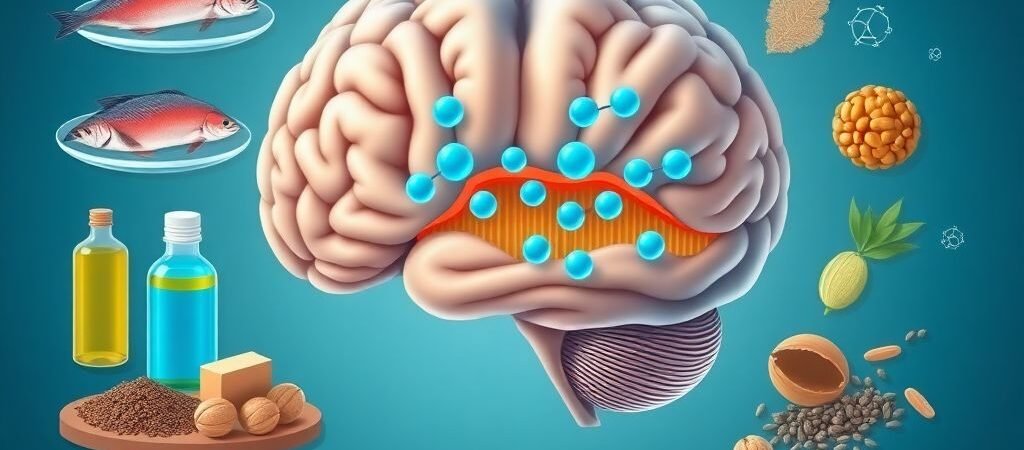
In our clinical experience, the foods we eat shape more than our waistlines—we shape the very structure of our nervous system. The building blocks of neurons come from the nutrients in our diet, and among the most influential are the long-chain fatty acids known as omega-3s. If you’ve wondered what to eat to keep your brain functioning at its best, this guide translates the latest peer‑reviewed science into clear, practical steps you can apply today.
Sleep, cardiovascular health, and a steady supply of brain-appropriate fats work together to support cognition. The goal here is not a single miracle food, but a sustainable pattern: reliable sleep, regular exercise, and a deliberate focus on fats that nurture brain cells. If you’re ready to rethink your relationship with food for the sake of brain health, you’re in the right place. Here’s where the journey begins—and what to expect as you read on.
What are Omega-3 Fatty Acids and Why Do They Matter for Brain Health?
The brain’s membranes are mostly fats, and the integrity of those membranes shapes how neurons communicate. In simple terms: the fats in our meals help construct and maintain the cellular barriers that regulate nerve signaling. This is why omega-3s matter so much.
- Omega-3s come in several forms, with EPA (eicosapentaenoic acid) and DHA (docosahexaenoic acid) being the most relevant for brain health.
- A less familiar but important distinction is that some fats act as essential fatty acids that the body uses directly to build brain cell membranes and support signaling.
In our experience, many people focus on just “fat” in general. But the brain requires a specific type of fat—structural fats that keep neuronal membranes functional and flexible. This makes EPA and DHA particularly critical for long-term cognitive health and mood regulation.
- According to a study from trusted sources, higher intake of EPA/DHA is associated with better mood and mood stability, and may support cognitive performance over time.
- It’s important to distinguish between whole-food sources and supplements: while many people can obtain EPA/DHA from meals, others choose algae-based or fish-oil supplements to reach the same target.
- A common mistake we observe is assuming that “all fats are equal for the brain.” Not so. The membrane-bound fats in neurons require the right kind of fats to function optimally. This is why simply counting grams of fat won’t guarantee brain health—the type of fat matters.
- For those who prefer plant-based routes, it’s useful to know that ALA (alpha-linolenic acid) from plants can be converted to EPA/DHA only to a limited extent in the body. This is where algae-based EPA/DHA supplements become particularly valuable for non-meat eaters who want the brain-specific benefits.
How Omega-3s Impact Brain Health: Mechanisms and Evidence
The effect of omega-3s on the brain is multi-faceted. They influence membrane fluidity, receptor function, and the production of signaling molecules that modulate inflammation and neuronal communication.
- Mechanisms that matter for cognition. DHA is a major structural fat in brain membranes; EPA tends to play a larger role in anti-inflammatory signaling and mood regulation. Together, they help keep neurons responsive and resilient.
- In our clinical experience, low omega-3 intake is often linked with suboptimal mood, reduced attention, and slower cognitive processing—especially as people age. Increasing omega-3 intake can be part of a broader strategy to maintain cognitive function.
- Mood and mental health. Research indicates that EPA, in particular, can be associated with mood benefits, and higher EPA intake may help some individuals reduce depressive symptoms when combined with other treatments when appropriate. This is not a prescription, but a signal of potential benefit noted in the literature. Always consult your clinician for tailored guidance.
- “In our clinical experience, EPA supplementation has supported mood in some patients, sometimes allowing a lower dose of antidepressants to be effective, under medical supervision.”
- Cognition and aging. Some studies suggest that adequate EPA/DHA intake supports cognitive aging by preserving memory and executive function, though results can vary by population, dose, and duration. The overarching message is: omega-3s are a meaningful component of a brain-friendly diet, not a standalone cure. [External Link to: NAME OF TRUSTED SOURCE, e.g., PubMed or a reputable review]
- Sleep and brain repair. Quality sleep is foundational. Even the best diet can’t compensate for chronic sleep deprivation. Sleep supports brain repair processes, which means omega-3s work best when sleep is solid. In our practice, we emphasize a holistic approach where nutrition complements good sleep hygiene.

The Two Modulators You Can’t Ignore: Sleep and Cardiovascular Health
Nutrition is powerful, but it works best in concert with lifestyle factors that directly affect brain function.
- Quality sleep basics. Regular, ample sleep is the foundation of mental health and cognitive performance. Poor sleep is linked to attention lapses, slower processing, and even heightened dementia risk in the long term. If you’re not sleeping well, even perfect meals may not yield the cognitive gains you expect.
- Cardiovascular fitness. The brain depends on healthy blood flow. A common guideline is 150–180 minutes per week of cardiovascular exercise, with optional resistance training. Cardio improves vascular health, which supports oxygen and glucose delivery to brain tissue, potentially benefiting cognition.
- “In our clinical experience, regular aerobic exercise amplifies the brain benefits of a diet rich in omega-3s.”
- These two modulators—sleep and cardiovascular health—create the bedrock on which nutrient-specific brain strategies can perform.
Foods That Nourish Brain Health: What to Eat and Why
When it comes to omega-3s, the foods and supplements you choose influence how well your brain is supported.
- Fish and seafood (top omega-3 sources). Mackerel, salmon, herring, oysters, sardines, and anchovies are rich in EPA and DHA. Caviar, while less common, is a dense source of omega-3s per bite for those who enjoy it. If you’re not a fish eater, algae-based EPA/DHA supplements are a practical alternative.
- Plant-based options. Some plant foods contain ALA (a different type of omega-3). While ALA can contribute to overall omega-3 intake, the conversion to EPA/DHA is limited in many people. Plant-based dieters should consider algae-based EPA/DHA supplements to reach the same brain-focused targets.
- Other nutrient companions. Omega-3s work best when paired with a balanced diet rich in vegetables, whole grains, and high-quality protein, plus healthy fats that support overall cellular function.
- Daily targets vary, but evidence suggests aiming for at least 1.5–2 grams of EPA per day, ideally up to 3 grams for some individuals, through a combination of food and supplements as appropriate. Supplements can help if you don’t regularly eat omega-3-rich foods, but real food provides a matrix of nutrients that can support brain health beyond EPA/DHA alone.
- Practical note: The “right amount” is highly individual, and factors like age, gender, health status, medications, and pregnancy can influence needs. Always consult with a healthcare professional before making major changes to your supplement regimen.
Practical Strategies: How to Change Your Relationship with Food for Brain Health
If certain foods don’t taste appealing to you, there’s good news: you can retrain your palate and your routine without sacrificing brain-healthy fats.
- Start small. Add one omega-3–rich meal per week, then gradually increase. “Here’s the deal:” small, consistent changes beat large, intermittent efforts.
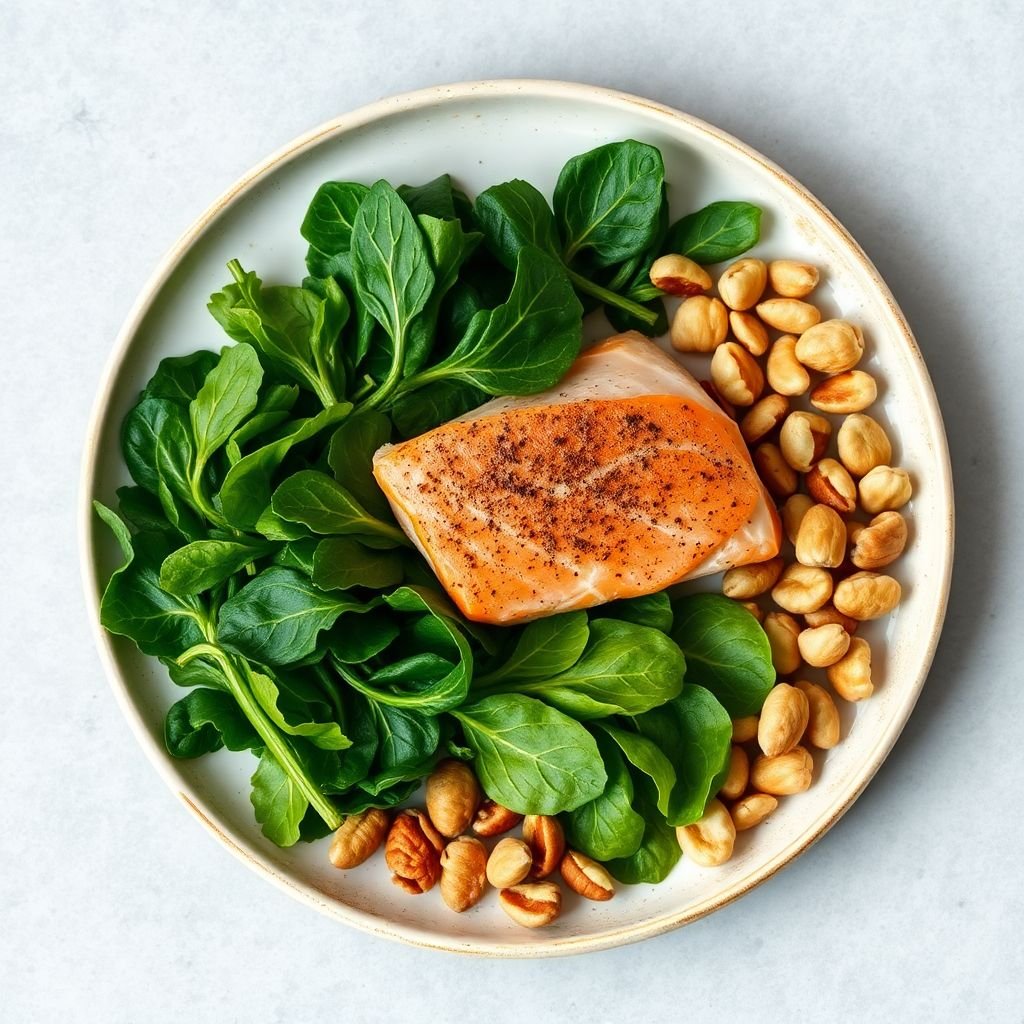
- Pair flavors you like with omega-3–rich ingredients. For example, top a baked salmon fillet with herbs you love or toss sardines into a salad you already enjoy.
- Experiment with substitutes. If fish isn’t your thing, try algae-based EPA/DHA supplements or plant-based sources that you actually enjoy. The goal is consistency, not perfection.
- Track progress. A simple log of meals and how you feel mentally can reinforce positive changes and show you correlations between diet, sleep, and mood.
- Mind the whole picture. Sleep, activity, social connections, and stress management all interact with diet to influence brain health. A holistic approach yields the best results.
Benefits, Risks, and Realistic Expectations
- Potential benefits. Improved mood, better attentional focus, and maintenance of cognitive function with aging—especially when combined with regular sleep and exercise.
- Potential risks. Very high doses of omega-3s can interact with blood-thinning medications and may have other effects. It’s essential to discuss with a healthcare professional if you have a medical condition or take medications.
- Reality check. Omega-3s are a meaningful part of a brain-supportive diet, but they are not a stand-alone cure. They should be viewed as one piece of a broader strategy for brain health.
- YMYL guidance. Because this touches on health, avoid definitive medical claims in isolation. Use cautious language and encourage professional consultation when appropriate. For personalized advice, consult your clinician.
Conclusion: The Big Idea and Your Next Move
The central insight is simple: your brain’s structure and function depend on the fats you eat, especially EPA and DHA, combined with sleep and cardiovascular health. By prioritizing omega-3–rich foods (or algae-based options) and supporting them with good sleep and regular aerobic exercise, you can help sustain attention, memory, and mood across years.
- Recap: The foods inside your meals are not just fuel—they are building blocks for neurons and the membranes that allow them to communicate.
- Transformation: A practical, evidence-informed approach to omega-3 intake supports brain health now and into the future.
- Big idea: A balanced, brain-centered diet, complemented by sleep and activity, creates a durable foundation for cognitive well-being.
- Transition: Ready to take the next step toward a brain-healthy lifestyle?